Why Is My Basement Wet?
Tell us where you see water, when it shows up and what else you notice. The gauge reads your answers and gives you the likely cause, the fixes that fit and what each one costs around Pittsburgh.
We Fix the Cause, Not Just the Puddle
Tap any photo to see it big. Most basements need one or two of these, not all of them.
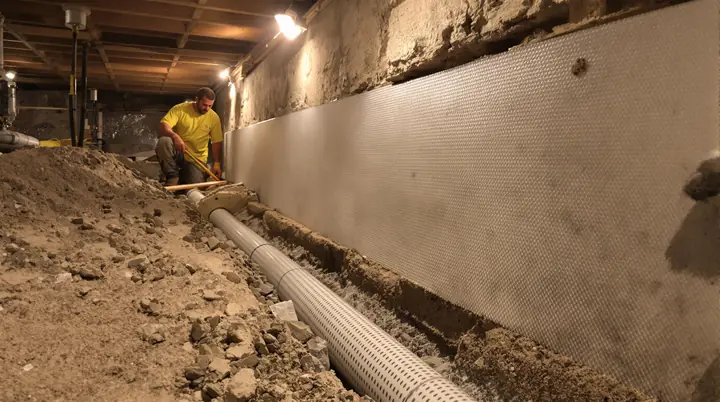
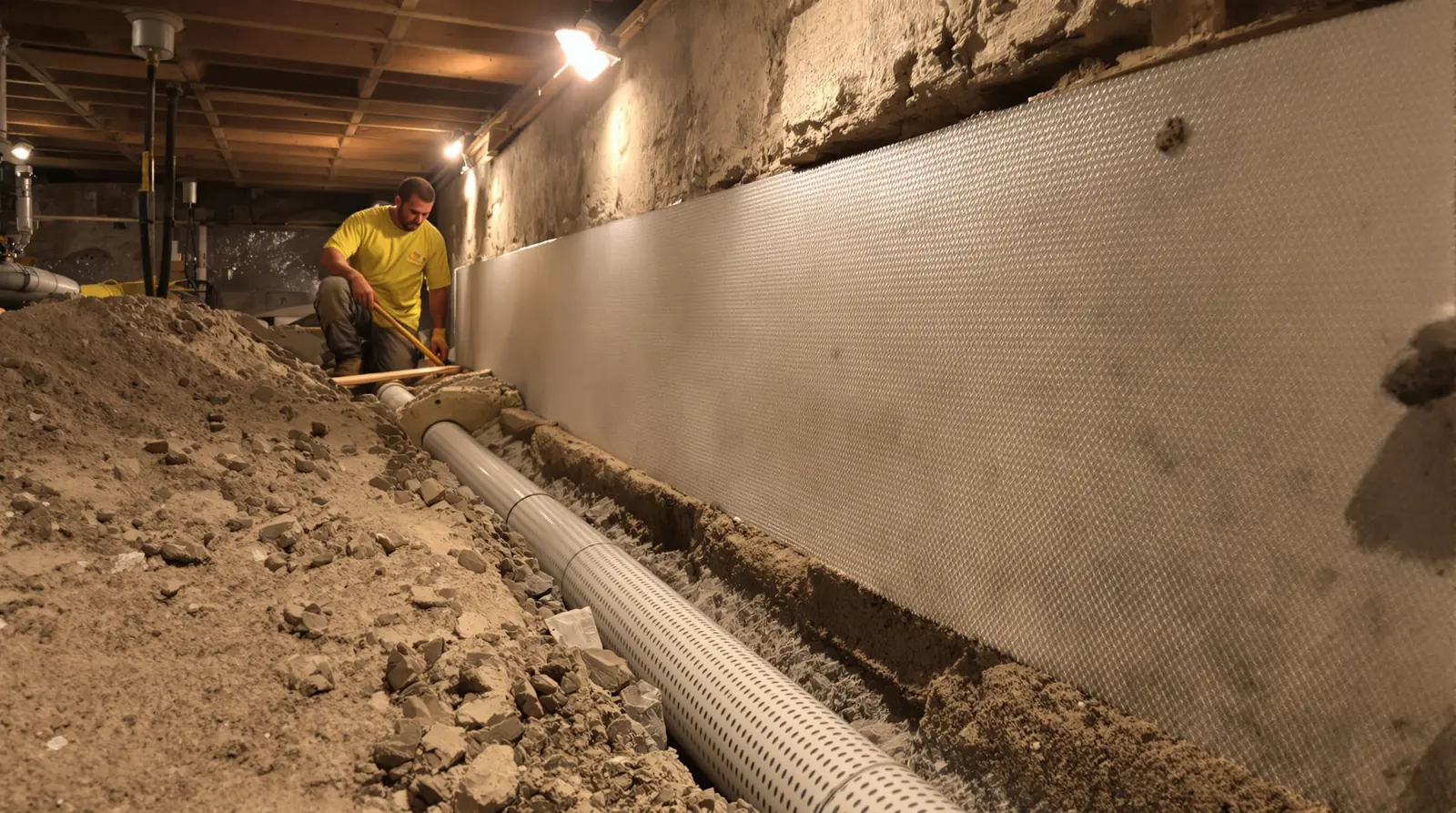 Interior DrainA pipe in gravel along the inside of the walls catches water and sends it to the sump.Most jobs $6,000 to $12,000
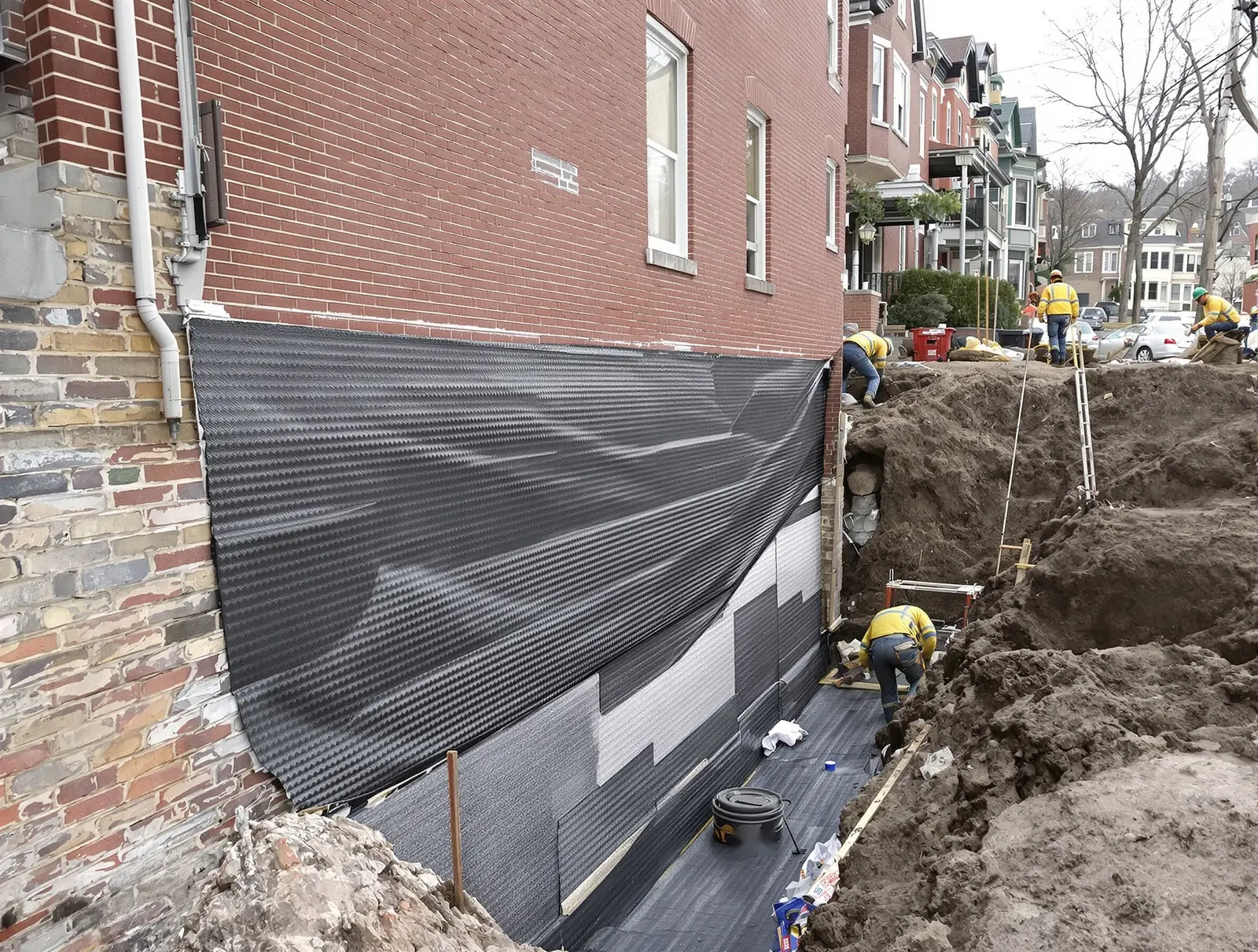 Exterior WaterproofingWe dig down, seal the wall and add drainage board.Per wall $9,000 to $18,000
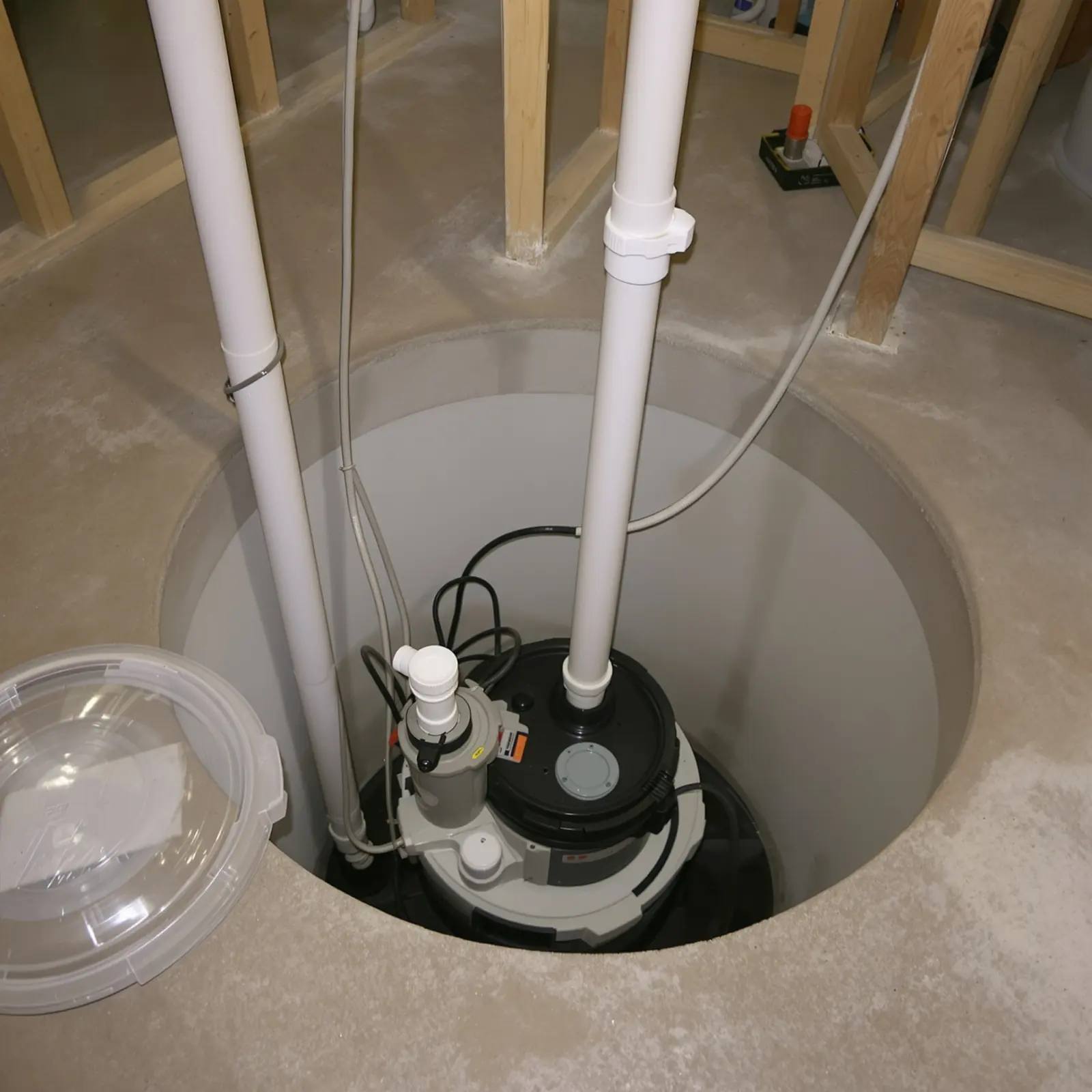 Sump Pumps$1,200 to $2,200
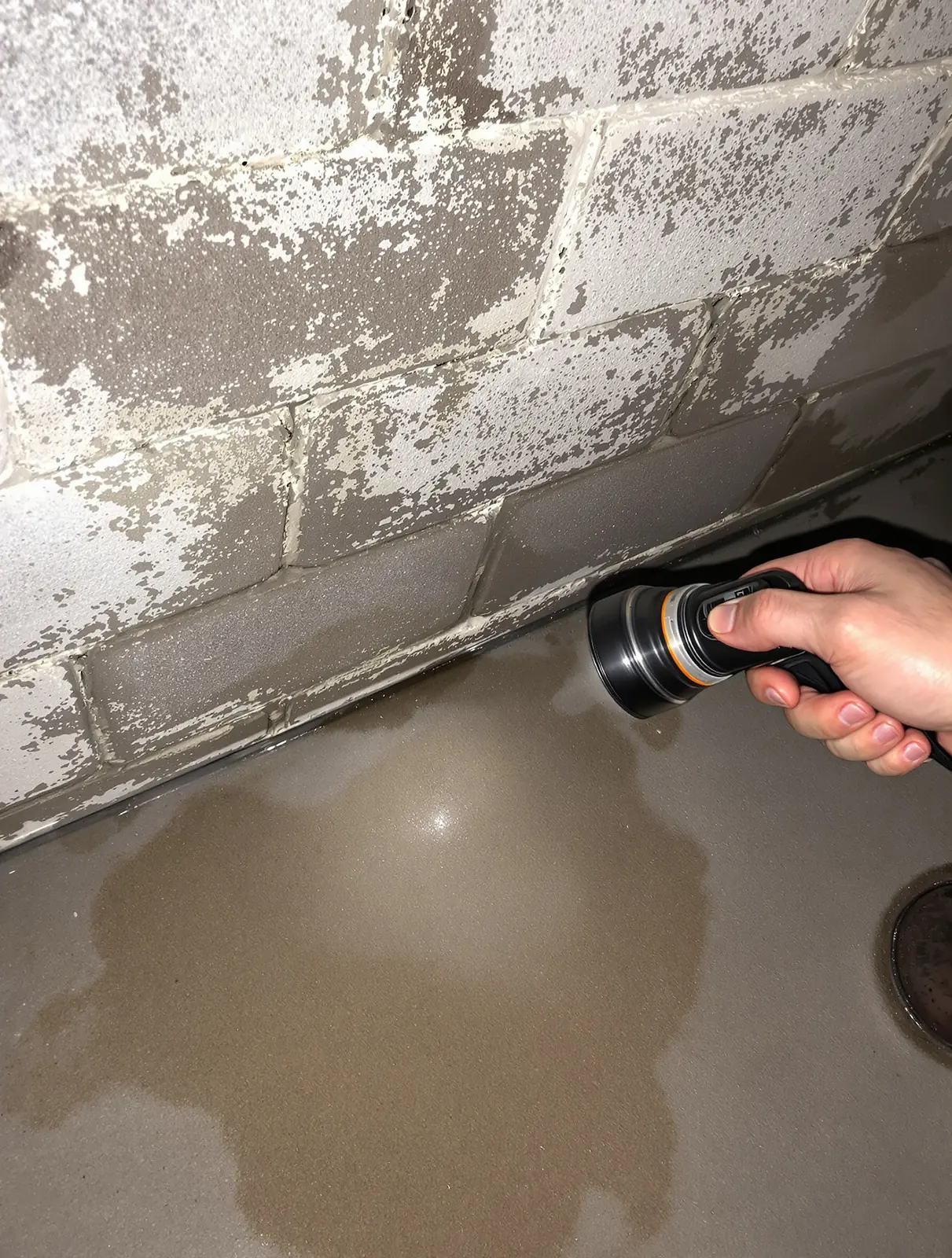 Crack Repair$500 to $900 a crack
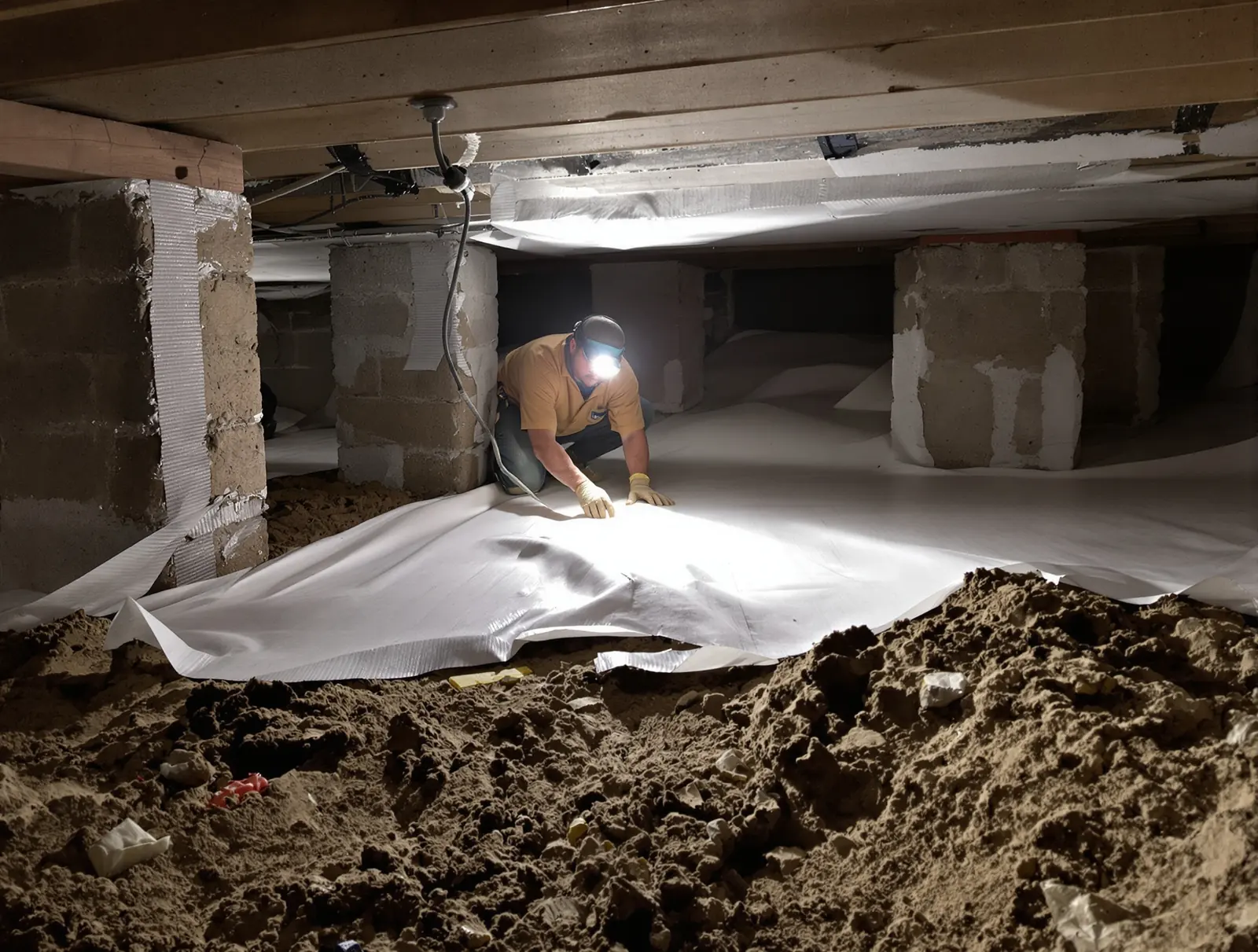 Crawl Space SealingHeavy liner, taped seams and a small dehumidifier.$4,000 to $9,000
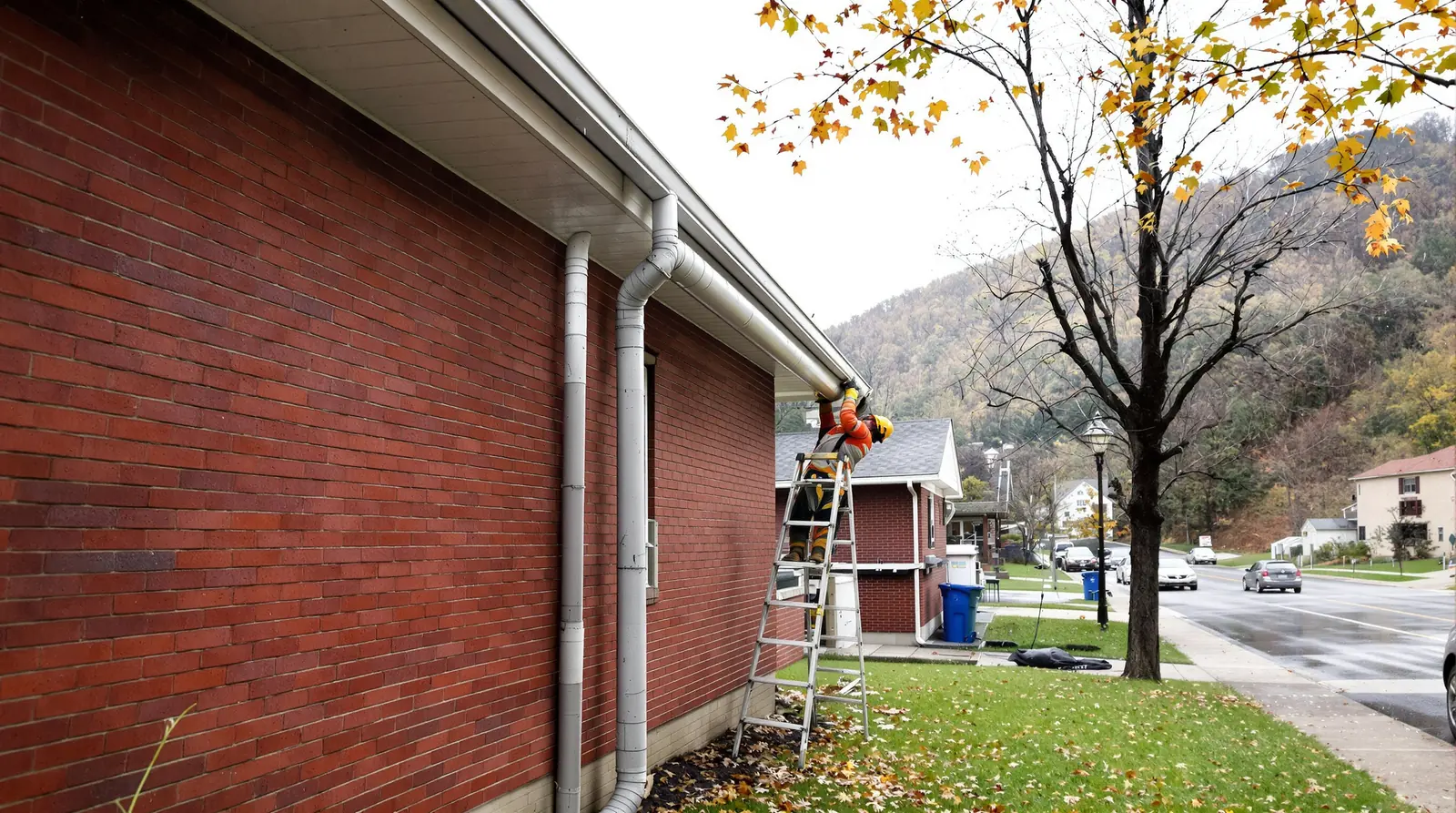 Gutters and DownspoutsOften the cheapest fix. Move roof water ten feet from the wall.$300 to $1,200
1920sblock wall, Brookline
Gutters and DownspoutsOften the cheapest fix. Move roof water ten feet from the wall.$300 to $1,200
1920sblock wall, Brookline
Hills, Clay and Hundred Year Old Walls
Most of the houses we work in were built before anyone put drain pipe around a footing. Add steep lots and heavy clay, and water has nowhere to go but in.
Houses built into hills
The uphill wall holds back wet soil all year. That side leaks first and leaks most.
Stone and block walls
Old mortar wears out and block is hollow. Water fills the cores and weeps out at the bottom.
Freeze, thaw and clay
Clay holds water. Each winter the frost opens cracks a little more, and spring melt finds them.
Dry Basements Around the City
Another company quoted a full drain system. Mike looked at our downspout, moved it and told us to call if it still leaked. It has been dry for two years.
Beth C. Dormont
Our house in Brookline is built into a hill and the back wall wept every spring. The interior drain and sump took three days and the floor has stayed dry.
Tony G. Pittsburgh
The crawl space smelled bad for years. They put in the liner and the whole first floor smells better now. Crew was careful and clean.
Aisha N. Mt. Lebanon
Sample reviews written for this demo. Your site shows your real Google reviews, word for word.
Wet Basement Questions
We answer the phone ourselves. Call and describe what you see, and we will tell you if it needs a visit.
Where We Work
Pittsburgh, Mt. Lebanon, Bethel Park, Upper St. Clair, Dormont, Ross Township, Shaler, Penn Hills, Monroeville, McCandless, Cranberry Township and Bellevue.
Why does water come in where the wall meets the floor?
That seam is called the cove joint. The wall and the floor were poured at different times, so there is a small gap. When the ground gets soaked, water pressure pushes water up through that gap.
Is an interior drain or an exterior dig better?
An interior drain is less costly and works for most basements. An exterior dig lets us seal the outside of the wall, which is best when the wall itself is failing. On steep Pittsburgh lots, digging outside can be hard, so we show you both prices.
My sump pump runs all the time. Is that bad?
It means a lot of water is reaching it. Check that the discharge pipe carries water well away from the house. If it still runs nonstop, the pump may be too small or the drain may be pulling in a spring or a broken pipe.
Will a dehumidifier fix a wet basement?
It fixes damp air and musty smells. It does not stop water that is coming through the floor or walls. Most basements need both the leak fixed and the air dried.
Do you handle mold too?
Yes. We clean and treat mold on walls, joists and stored items. We fix the water first, or the mold comes back.
How long does an interior drain take to install?
Most basements take two to three days. We cut the floor along the walls, lay the pipe in gravel, connect it to the sump and pour new concrete over it.
Get the Water Found Before It Rains Again
A free inspection takes about 45 minutes. We check the walls, the floor, the gutters and the grade, then tell you what we would do and what it costs.